
DIGITAL LEARNING

Business Succession Planning 101

Every business owner will eventually exit their company.

The question is, will it be on your terms?

This guide walks you through the steps of succession planning. From defining your goals to exploring transition options like ESOPs, worker-owned cooperatives, and employee ownership trusts (EOTs), this resource provides you with the knowledge to support your employees, ensure a smooth transition,

and ultimately protect your legacy.

Business Succession Planning 101

Every business owner will eventually exit their company.

The question is, will it be on your terms?

This guide walks you through the steps of succession planning. From defining your goals to exploring transition options like ESOPs, worker-owned cooperatives, and employee ownership trusts (EOTs), this resource provides you with the knowledge to support your employees, ensure a smooth transition,

and ultimately protect your legacy.

business succession planning book cover
understanding esops book cover

Understanding ESOPs

Thinking about transitioning your business to an Employee Stock Ownership Plan (ESOP)?

This National Center for Employee Ownership (NCEO) guide provides a comprehensive overview of how ESOPs work,

their governance, tax benefits, and the advantages they

offer business owners and employees.

Whether you're a business owner considering succession planning, an advisor guiding clients, or an employee wanting to understand ownership culture, this invaluable resource covers everything from financing and valuation to corporate performance and employee engagement.

Understanding ESOPs

Thinking about transitioning your business to an Employee Stock Ownership Plan (ESOP)?

This National Center for Employee Ownership (NCEO) guide provides a comprehensive overview of how ESOPs work,

their governance, tax benefits, and the advantages they

offer business owners and employees.

Whether you're a business owner considering succession planning, an advisor guiding clients, or an employee wanting to understand ownership culture, this invaluable resource covers everything from financing and valuation to corporate performance and employee engagement.

Minnesota’s Employee-Owned Top 50: A Snapshot of ESOP Success

Curious about what employee ownership looks like in action?

This engaging e-book showcases 50 of Minnesota’s most successful employee-owned companies, highlighting the potential and power of broad-based ownership.

Compiled by the Ohio Employee Ownership Center at Kent State University, this guide profiles a diverse range of businesses thriving under Employee Stock Ownership Plans (ESOPs). Sources include publicly available IRS filings from 2021 and information

from the National Center for Employee Ownership.

It’s perfect for business owners exploring succession options, advisors supporting transition planning,or anyone interested in the employee ownership model.

Learn how employee ownership is shaping company cultures, driving innovation, and creating lasting wealth for Minnesota workers—one business at a time.

Employee Owned Ambassador Program

A Fresh Look at ESOP Success Across the State

MOCEO is proud to offer the Ambassador Program—

an opportunity for business professionals to understand employee ownership and its benefits better.

Through this program, you’ll learn directly from those involved in employee-owned businesses, connect with a network of

like-minded professionals, and gain the tools to integrate employee ownership solutions into your work.

Designed for service providers, legal professionals, economic development teams, CPAs, and financial advisors, this program equips you with the knowledge needed to better support business owners exploring employee ownership options.

mn employee owned Top 50 book cover

Frequently Asked Questions

What is MOCEO?

Founded in 2020, the Missouri Center for Employee Ownership is a free and unbiased hub for information and resources on employee ownership. MOCEO provides business owners and their advisors throughout Missouri with articles, case studies, and a list of service providers who can assist them with all facets of their employee-ownership journey.

What is employee ownership?

Employee ownership refers to a situation where a company's employees hold shares or ownership rights in the business. This means employees have a financial stake in the company's success, which allows them to participate in the organization's profits and decision-making process to some degree.

How many employee-owned companies are there in Missouri?

According to recently published data by the U.S. Department of Labor, there are approximately 225 employee-owned businesses in Missouri and 6,500 nationwide.

What are the three most common forms of employee ownership?

The three most common or popular types of employee ownership are:

1. Employee Stock Ownership Plans (ESOPs).

2. Worker-Owned Cooperatives (WOCs).

3. Employee Ownership Trusts (EOTs).

What is an Employee Stock Ownership Plan (ESOP)?

ESOPs are retirement plans, somewhat like 401(k)s, except the invested dollars all go into the company where employees work. More importantly, like a 401(k), an ESOP is tax-advantaged. Whatever portion of the company is owned by the ESOP pays no federal or state corporate income tax.

What is an Employee Ownership Trust (EOT)?

An EOT is a trust that is created to own the shares of a company. The primary purpose of an EOT is to run a company on behalf of the organization’s employees. The EOT also owns the company’s shares perpetually and cannot be sold.

What is a Worker-Owned Cooperative (WOC)?

A WOC is a values-driven business that is owned and managed by its workers. Worker cooperatives are based on the idea that employees should benefit from their labor and have a say in how the business is run. Profits not retained for growth are also distributed evenly among employee-owners.

What are the key benefits of employee ownership for business owners?

For business owners, the primary benefits of considering employee ownership include increased employee engagement and productivity, reduced employee turnover, an enhanced company culture, potential for increased profitability, successful succession planning, tax advantages, and improved community perception, which all stem from employees feeling a direct stake in the company's success and working harder to achieve shared goals. 

What are the key benefits of employee ownership for workers?

Research by the National Center for Employee Ownership shows that workers tend to have higher wages, more considerable retirement benefits, a lower risk of job loss during economic downturns, and higher job satisfaction. 

Which companies are best suited for employee ownership?

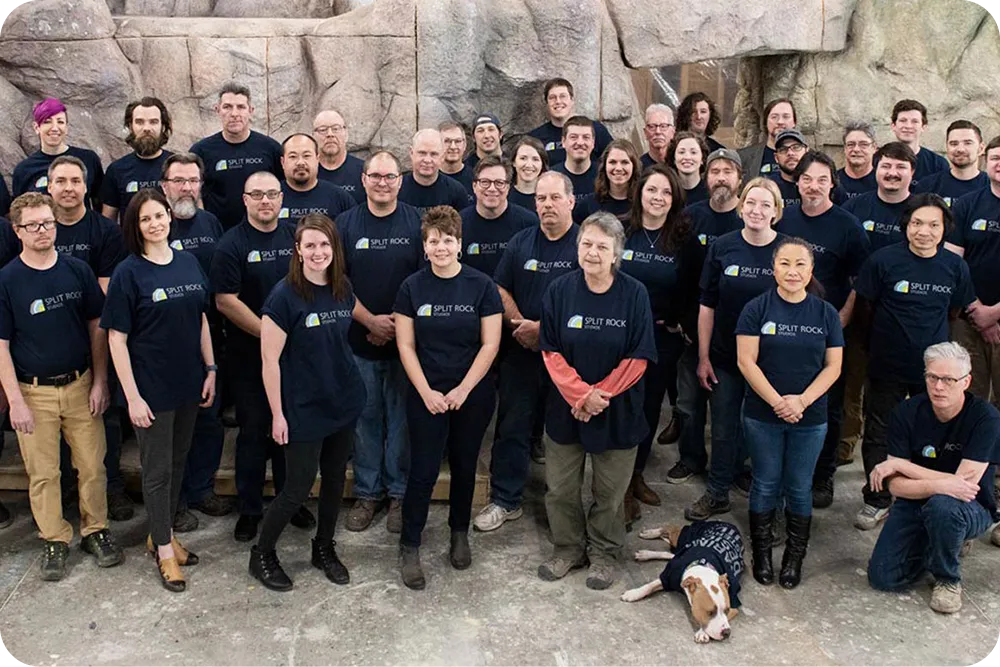
Companies across different industries and sizes can benefit from employee ownership, including construction, manufacturing, professional services, transportation, and more. Some examples of employee-owned companies in Missouri include Room & Board, Split Rock Studios, Long Haul Trucking, and Windings, Inc. 

How long does it take to become an employee-owned business?

The process of transitioning a company to employee ownership can take anywhere from a few months to a couple of years. The most common timeframe is 6 to 12 months, depending on the complexity of the company and the level of preparation involved. Some transitions might be completed faster with expert guidance, while others may take longer due to intricate legal and financial considerations. 

Why has employee ownership become so popular in recent years?

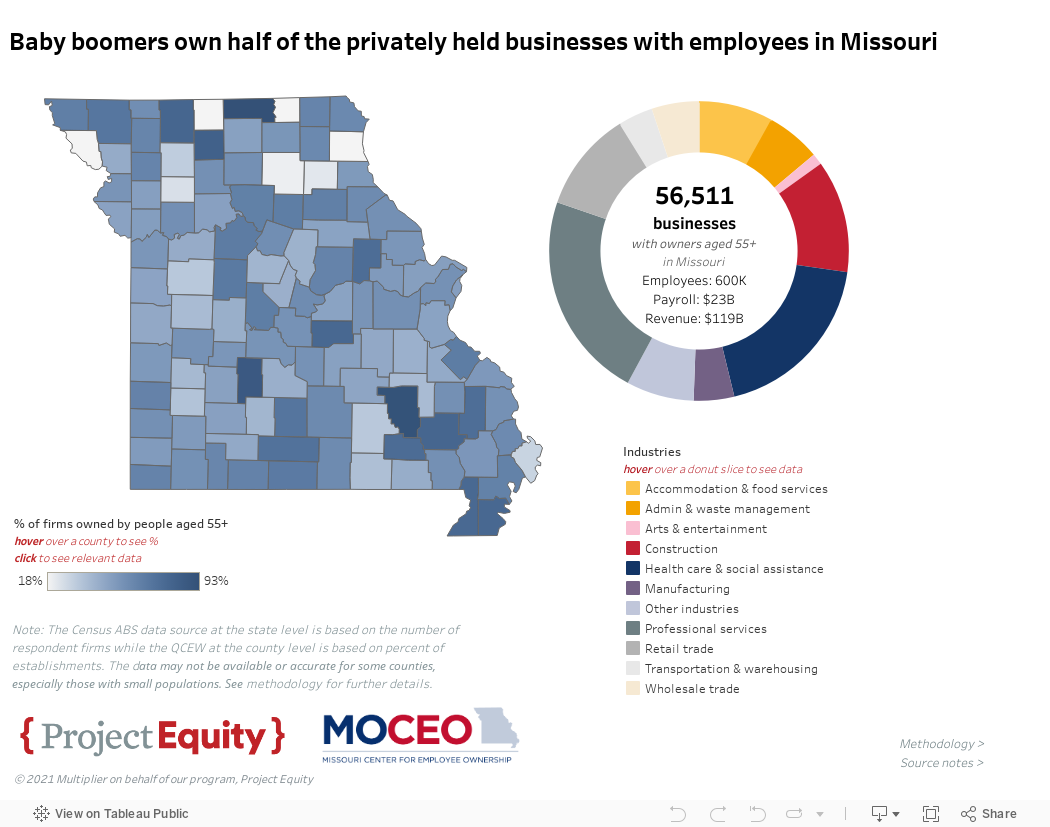
In Missouri, there are currently 52,000 business owners over the age of 55 who willmost likely exit their respective businesses in the next three to five years. As a result,it is imperative that they consider all their selling options so that jobs are not lost,which would have a negative impact on workers and the local economy. This closely watched phenomenon is often referred to as the “Silver Tsunami” by business leaders and reporters.

How does MOCEO help companies transition to employee ownership?

As one of 11 state centers created by the Employee Ownership Expansion Network, MOCEO provides business owners and their advisors throughout Missouri with articles, case studies, and a list of service providers who can assist them with all facets of their employee-ownership transitions.

How is MOCEO funded?

MOCEO’s initial funding came from its board of directors, professionals in the field, employee-owned companies, and the Employee Ownership Expansion Network. Today, grants from the McKnight Foundation, Otto Bremer Trust, the Duluth Superior Area Community Foundation, and many others have allowed MNCEO to grow and expand the message of employee ownership throughout Missouri.

Julie Leonhardt

Executive Director

mnceo logo

In partnership

with

mnceo logo

and

mnceo logo

LinkedIn

All Rights Reserved 2026